UX/UI • project management
Plataforma back office para Aaxis
Platform to organize information, reduce manual work, and support the management of single and multiple tenants.
01
Context
Aaxis needed a back office platform to improve property management and support the administration of single and multiple tenants.
The operation required centralizing information that was usually spread across contracts, documents, calendars, requests, expenses, and communication channels.
The challenge was to design a clear and scalable experience that helped teams manage internal processes with more structure, efficiency, and autonomy.
02
The challenge
Design a platform capable of organizing internal management processes without increasing complexity for users.
The product needed to support information queries, contract and document management, request tracking, rental calendars, expense follow-up, and smoother communication with the management company.
The design also needed to consider integrations with external systems, such as online scheduling tools and property management platforms.
The goal was not only to create a functional interface, but to build a foundation that could reduce repetitive tasks and improve operational productivity.
03
What I did
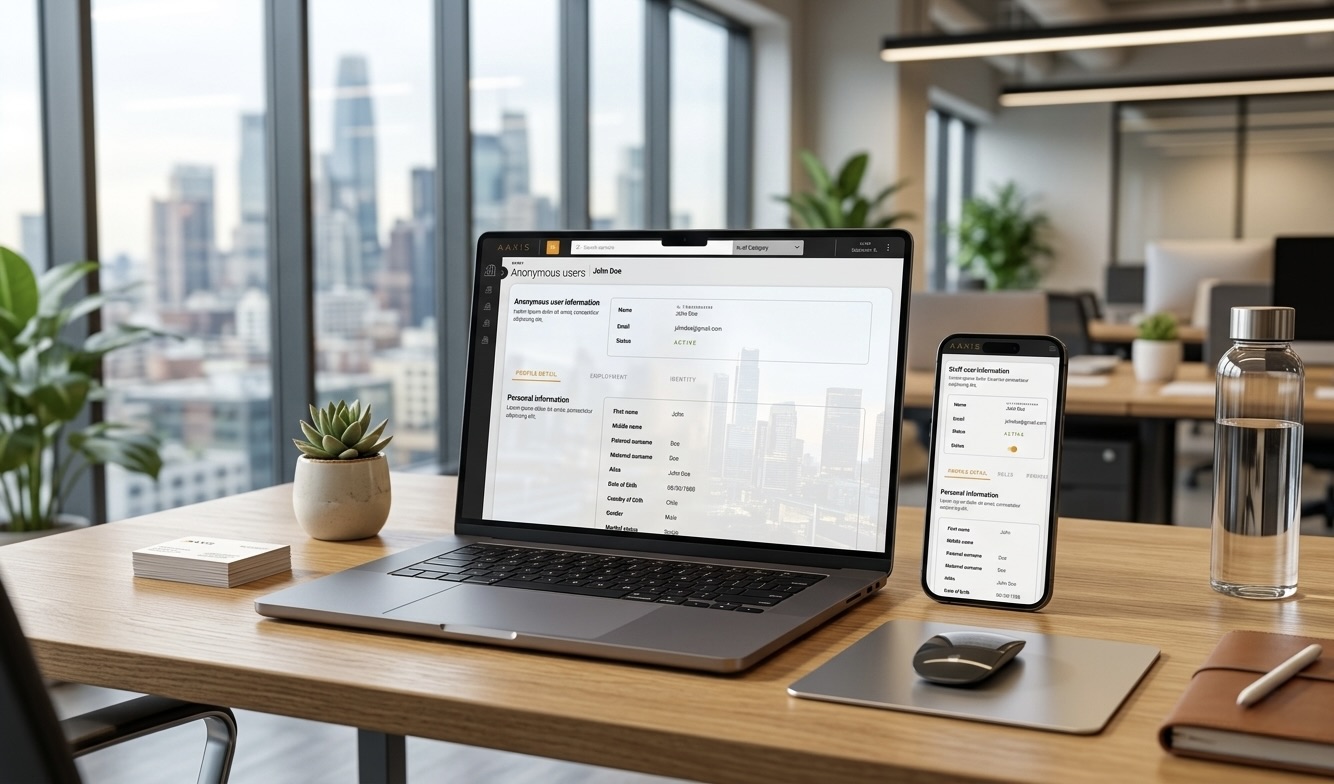
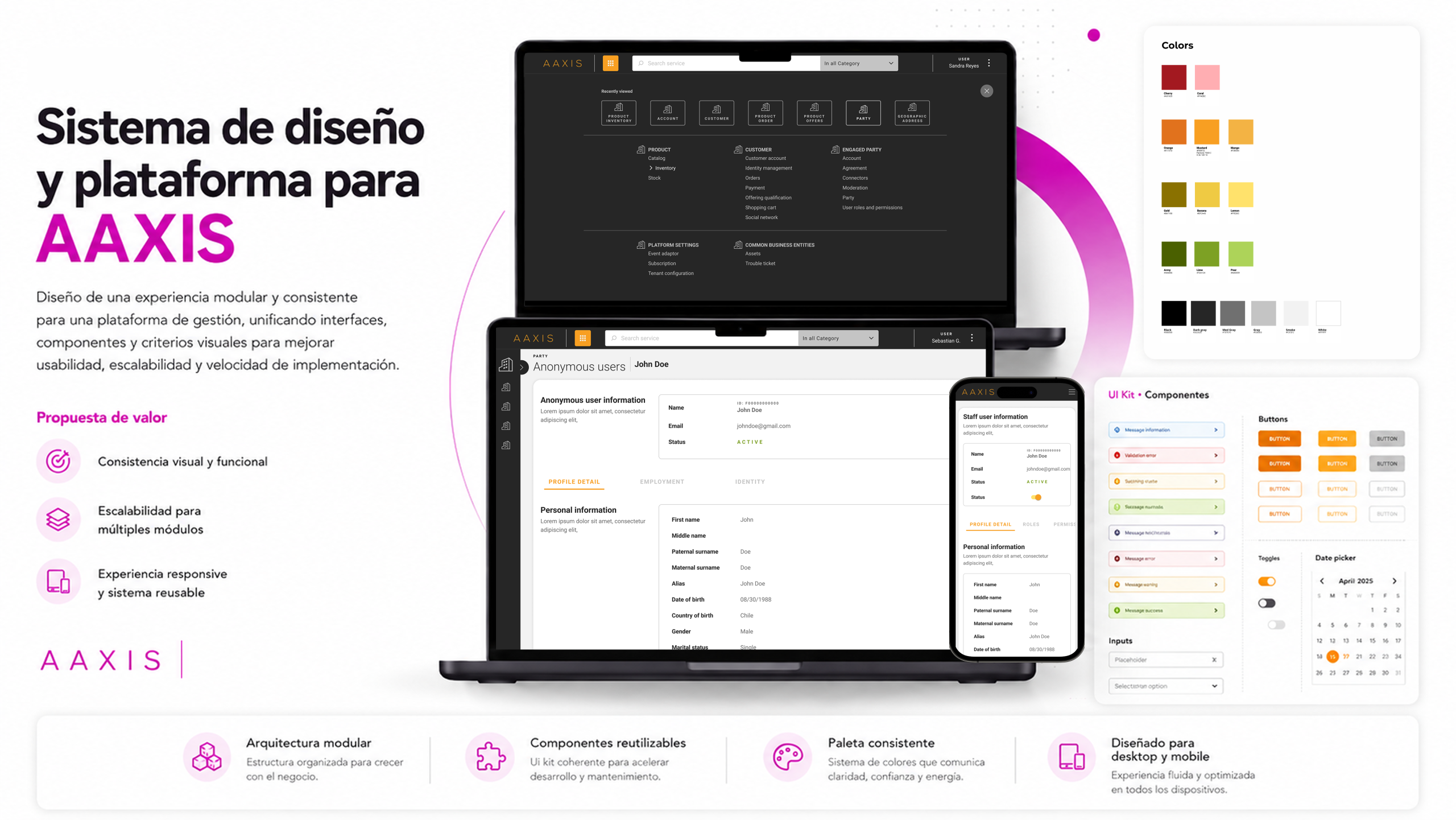
I worked on the UX/UI design of the platform, focusing on navigation structure, user flows, and reusable components.
I also designed the product’s UI Kit to create visual consistency, support future iterations, and improve communication with development.
I worked on:
UX/UI design for a back office platform.
Information architecture.
Reusable component design.
Responsive and scalable experience design.
Flows for complex queries and management tasks.
04
Defining the experience
Clarity
Organize complex information in a simple and understandable way.
Efficiency
Reduce unnecessary steps and support recurring actions.
Scalability
Create components and patterns that could grow with the platform.
05
Impact
The project helped establish the foundation for a more organized property management platform.
It contributed to:
- Centralizing operational information.
- Reducing administrative workload.
- Improving request tracking.
- Making contracts and documents easier to access.
- Creating a clearer experience for tenants and internal teams.
- Establishing a consistent and reusable UI Kit.
- Improving communication between design and development.
The value of the project was in turning scattered administrative processes into a clearer, more structured, and more efficient digital experience.
06
Learnings
This project strengthened my ability to design internal platforms where efficiency depends on both the interface and the structure of the system.
I learned that in back office products, design should not only look organized. It should reduce cognitive load, make key actions visible, and support faster decisions.
It was also a valuable experience because the project was developed with an English-speaking client, which required clear communication, documentation, and alignment throughout the process.
Let’s turn complexity into simple tools for better work.